There is a sentence you have heard, or one you are afraid you will hear, the moment you tell someone you are writing your story.
"Who would want to read about that?"
Sometimes it comes from across the table. Someone tilts their head, tries to be kind, and asks it out loud. But the version that does the real damage is the one that comes from inside. Someone says, "you should write your story," and before they finish, you have already answered for them. Who would care about my life? Who would read that?
That is the first no. And you handed it to yourself.
Sit with where that sentence puts you. On one end, you let it land as a verdict, and the book closes before it opens. On the other end, you let it land as a question with an answer you have not built yet. Same sentence. Two different floors to stand on. The one you pick decides whether the story lives.
Most people pick verdict. They hear one no and treat it as the final count.
John Hope Bryant heard no for a living. At eighteen he was sleeping in a black Montero Jeep outside the Los Angeles airport, the truck one step from being repossessed, five hundred dollars a month coming in. He describes covering the license plates from the inside so the tow trucks could not read them while he slept. He cleaned up in an office restroom before the workday started. And he made a decision about the word no that changed the math of his life.
He decided to take no for vitamins.
A vitamin does not taste like candy. It is not supposed to. It goes down rough and builds something in you that shows up later. That is what a no is for a memoir writer. Not a wall. Fuel. Because there is a number, a real one, of nos sitting between you and the yes that puts your story in someone's hands. Every no you collect is one you cross off. You are not further from the yes. You are closer, because you used one up.
You think you have to become Jensen Huang first. Build the most valuable company in the world, stand on the stage, earn the right to be heard, and then you can write the book. Backwards. Huang says his parents landed here with two suitcases and nothing to fall back on. The story came from the floor, not the summit. So does yours.
You cannot fall from the floor.
Use up your nos so you can get to your yes.
How many nos have you used up today?
Room 2 • Tools of the Week
The Tools That Changed Everything
TOOL #1: Trace Back (Recipe 13 Compass, Left Direction)
Every no you carry has a first appearance. A moment where it stopped being one rejection and became a belief about your story. This tool walks you back along the trail to where the decision got made. Load the no you keep flinching from, run the prompt, and let it trace the line back to the scene where you first decided your life was not worth the page. You cannot reposition a verdict until you find the day you signed it.
When the inside voice says who would read this, your instinct is to close the document and walk away. Claude keeps you in the chair. Paste the rejection, the doubt, the line that stopped you, and let it ask the next question instead of letting you quit. Jen Fontanilla and I are both Claude people for the same reason. It will flatter the work if you let it. Push, and it sharpens. Like anything else, you get out what you put in. Used right, it keeps you in the room one no at a time, until the page sounds like you and the doubt runs out of road.
When I asked myself why one no flattens a person and the same no fuels someone else, I found the answer hiding in plain sight. The no did not change. The position did.
Jen Fontanilla put words to it on the podcast this week. She said what looks like a money problem is almost always a positioning problem underneath. Same product, two different shelves. One sells for ten dollars. The same thing, positioned right, sells for a thousand. Nothing inside the box changed. The position outside it did.
Rejection works the same way. A no positioned as a verdict drains you. The same no positioned as a vitamin feeds you. The skill is not getting fewer nos. The skill is repositioning the one you already have.
Three moves. Here is how they work.
Step 1: Name the No.
Write down the exact rejection, the words if you remember them. The tilted head. The silence where a yes was supposed to be. The voice in your own head that answered before anyone else could. Name it precisely, because you cannot reposition a thing that has no shape.
Step 2: Find the Verdict You Made.
Something happened in the half second after the no landed. You made a decision about yourself. "My story is not interesting." "I am not a real writer." "This was a mistake." That decision is the part that hurt you. The no was economic. The verdict was the disabling frame. John Hope Bryant said being broke is economic, and being poor is a frame of mind. The no put you broke for a second. The verdict is what tried to make you poor.
Step 3: Run the Bryant Question.
The question is simple. How many nos have you used up today? Take the same no and count it. One no, used up. One step closer to the number that ends them. Bryant did not feel his way out of that Jeep. He moved. Next office, next meeting, next city, until somebody said yes. Your version is the next sentence. The next page. The next person who reads it.
I know this feeling because I lived on the wrong side of it. In 2023 I finished my first book. It came from ideas, concepts, frameworks I had pulled from more than six hundred books I had read by then. I wrote about ideas because ideas felt safe. My own life did not feel worthy of telling, so I kept myself out of it.
I handed my next manuscript to my editor. She read it and asked me one question. What about your story, Asher?
The floor moved. Two full books written, and my story was in neither of them. Not because it changed. Because I did not feel ready to tell it. Her question is what made me ready. I went back and started that book over from the beginning. It became Two Suitcases to Success.
The story was worthy before I was ready to tell it. The events were the same. The childhood was the same. The thing that moved was where I stood when I looked at it.
So now I ask you what she asked me. What about your story? Is it worthy of telling?
I think it is. And the no standing between you and the page is one you can reposition, the same way I did. Name it. Find the verdict. Run the Bryant question. A wall becomes a step.
You cannot fall from the floor. So you might as well build up from it.
Two stories this week about people who started on the floor and used the floor as the launch pad. Watch them through the lens of your own story. Where they had a business, you have a book. The mindset is the same.
PODCAST #1: Only in America | Jensen Huang
Featured: Jensen Huang, Founder and CEO of Nvidia, with Condoleezza Rice
Read More
Huang's parents sold what they owned and landed here with two suitcases. He calls the path that followed a chain of low probability events, from Taiwan to a boarding school in Kentucky to a green van to Nvidia. Listen for one line. His parents had nothing to fall back to. That is the floor. Your memoir is built from the same place, the chain of unlikely moments that looks like a path once you turn around and write it down.
PODCAST #2: Started at the Bottom: How Resilience Creates Real Success
Featured: John Hope Bryant and Chris Gardner (Forbes panel)
Read More
Two men who were homeless before they were famous. Bryant gives the line that titles this week, take no for vitamins, and the one underneath it, you cannot fall from the floor. Gardner stood in a train station mirror holding his son and asked how he got there. His answer, I drove here, which meant he could drive out. Both men reposition rejection in real time. You are watching the move that Room 3 teaches.
Room 5 • What I'm Reading
Books of the Week
You have the tools. You've done the internal work. Now you need frameworks.
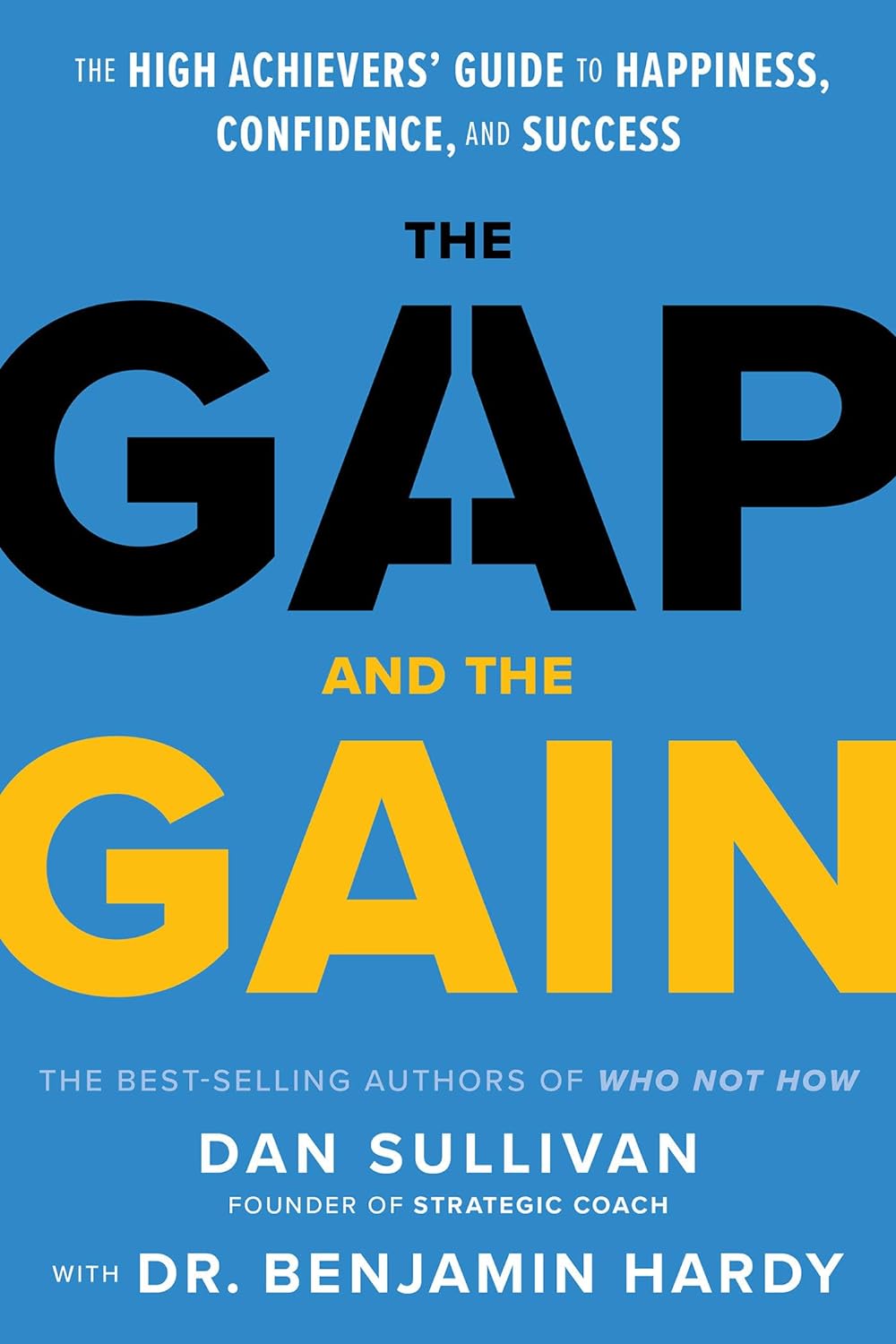
BOOK #1: The Gap and the Gain
By: Dan Sullivan and Dr. Benjamin Hardy ⭐⭐⭐⭐⭐
Read More
A memoir writer counting rejections is standing in the Gap, measuring the distance to a yes they have not reached. Sullivan and Hardy turn you around. The Gain measures backward, against the floor you started on. Same nos, counted the other direction. In the Gap they are proof you fell behind. In the Gain they are proof you are moving. This book teaches you which way to face.
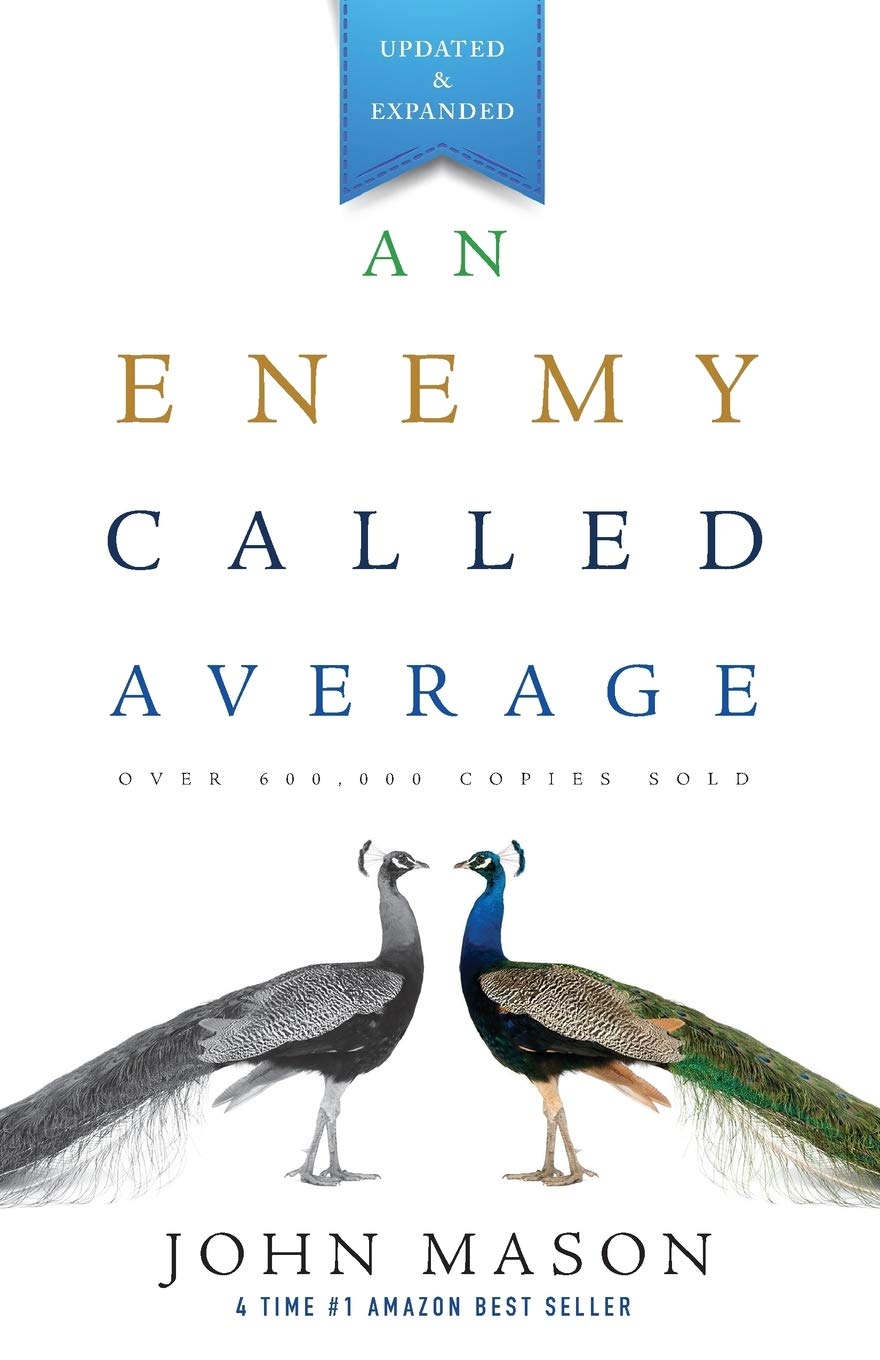
The nos have a favorite disguise. They dress up as reasonable. Settle here. This is enough. Who would read that. Mason names average for what it is, an enemy wearing the mask of common sense. For a writer deciding whether their life is worth the page, this is the case against the quiet voice that says stay small.
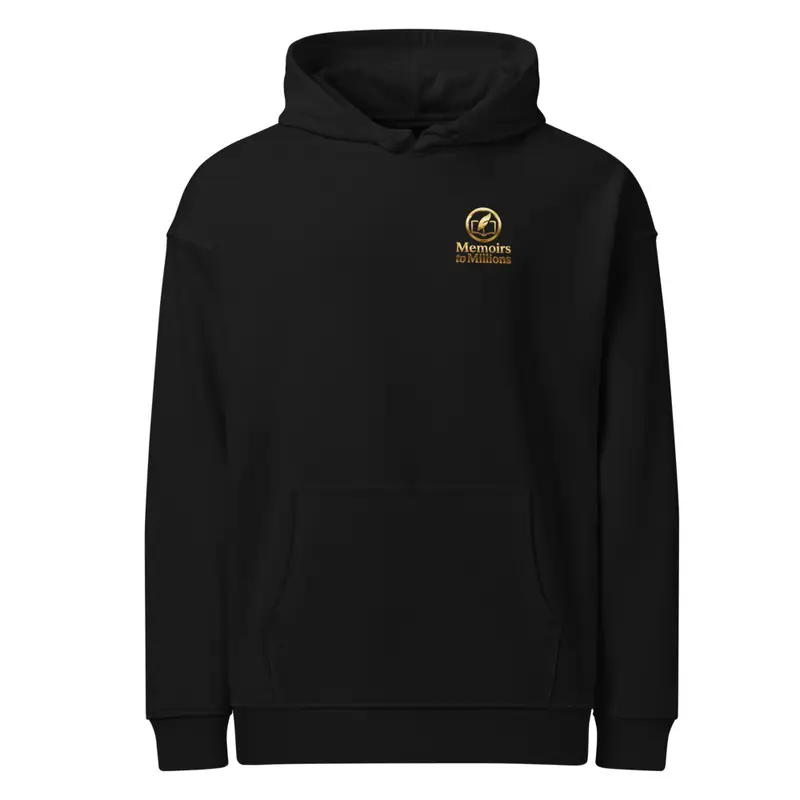
Imagine the moment someone says I read your book and it changed something for me. That moment sits on the other side of a stack of nos you have not used up yet. You might be waiting for it. You might have heard it once and gone quiet since. Either way, you put the words out there. That is the part you controlled. I put it out there. The rest is theirs.
By the way, this one is 80% organic cotton, 20% recycled polyester. 10.3 oz. DTG printed. GOTS certified. Sizes S to 2XL.
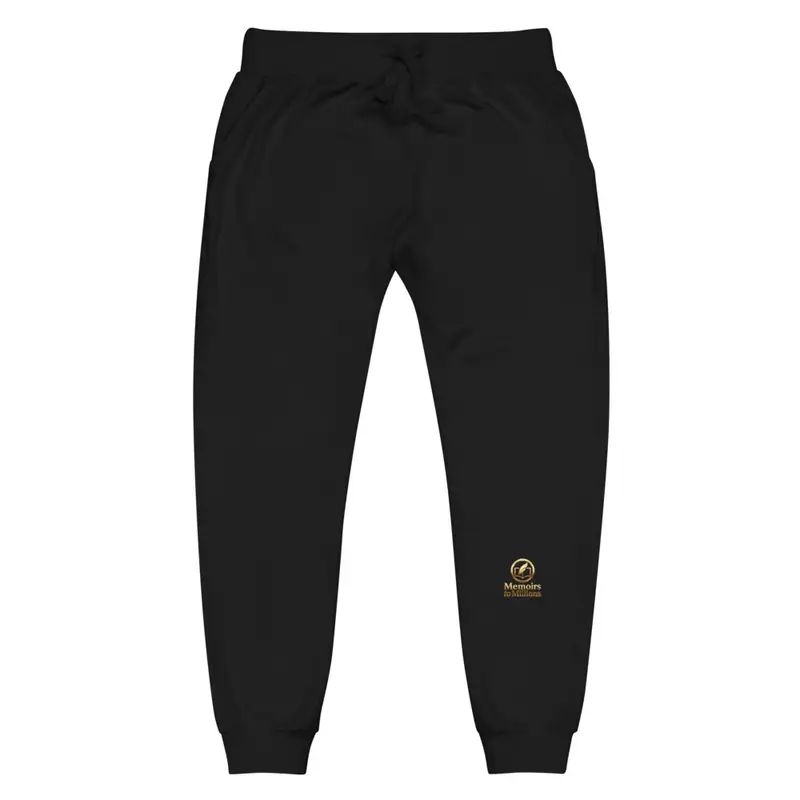
Imagine the chapter that took six months to write. The one you deleted twice. The one that told the truth on the third try. Two nos from yourself, and you stayed anyway. You might be in the middle of that chapter now. You might be on the other side of it. Either way, you stayed in the chair long enough to finish. I stayed in the chair. I finished the chapter.
By the way, this one is 8.5 oz cotton fleece. DTG printed. Elastic waistband. Side and back pockets. Sizes XS to 2XL.
The no you have been carrying is the first chapter most memoir writers refuse to write. It is also the one your reader needs, because they are standing on the same floor you were.
The Life Changing Wisdom Marketplace beta closes in less than ninety days. I am taking 250 people ready to turn their life into a book. Bring the no. Bring the reposition.
Share This Brief
Help others discover these tools by sharing on your favorite platform:
I've read and listened to over 900+ books. These are the ones worth your time.
Searchable, filterable, and organized so you find your next great read in seconds.