Noise Does Not Go Where More Noise Is. It Goes Where Quiet Is.
Your memoir needs a quiet room to go to.
I recorded a conversation with Riley Gruppo about why growth feels like a drug, and something I kept thinking about after we talked sent me back to a question I have been circling for months.
Where do the memories go?
Not the ones on the surface. You can grab those. The birthday, the deployment, the day you got married. Those are sitting in the front room. You walk in and there they are.
I am talking about the ones you buried. The ones you put down because you did not have the time, the skill, or the resources to make meaning of them when they happened. You buried them with the intention of coming back. But you did not mark the spot.
The meaning is the map. You lost the location because you skipped the meaning.
That is the mining problem. And this week, I want to show you how to open the door.
You load your raw material into Claude, paste in the prompt, and run it. It measures the size of your data, divides it into numbered dives, and walks through your material section by section hunting for five signals: what keeps recurring, where the heat and contradiction live, and what you circle but do not name. This is mining, not brainstorming. It goes into the buried material and brings up what you missed.
Once a buried memory comes back, you have the scene. You do not yet have the meaning. The Descend Method takes one memory and goes straight down into it, step by step, asking what sits underneath, until you reach the truth you feel in your own chest. It stays inside that one memory from the first step to the last, so you go deeper instead of drifting off into something easier to look at. This is the first of four directions in a new set of writing tools I am building, and the down direction is the one that turns a surfaced memory into meaning.
Five Moves to Mine What You Buried
Here is the thing about mining memory. Mining says go dig for the treasure. But memory does not work like gold in the ground.
You do not go to memory. Memory comes to you. It surfaces when it decides, not when you decide. So the mining is not digging. The mining is making a quiet room and leaving the door open.
Here are five moves to open it.
Move 1. Make a quiet room for the memory to arrive.
Noise does not go where more noise is. It goes where quiet is. Memory works the same way. You do not summon it. You make a space quiet enough for it to walk in. A photograph. A smell. A song from a year you do not talk about. Set the condition and wait. The memory will come when the room is right.
Move 2. You did not forget where you buried it. You buried it on purpose.
Stop blaming your memory. You put it down because you could not deal with it then. You lacked the time, the skill, or the capacity to make meaning of it, so you set it aside, intending to come back. The burial was not a failure. It was protection. Now you have the tools to go back.
Move 3. The memory you avoid is the richest vein.
The comfortable memories repeat what you already know. The ones that still sting are the ones carrying the gold. You buried them because they were heavy, and heavy means they carry weight worth mining. Go toward the one you do not want to look at. That is where the meaning lives.
Move 4. Allow the memory to find you so you can make meaning of it.
When the memory arrives, you sit with it. You look at it again with the tools you have now, and the meaning forms. Once you make meaning of it, you do not lose it again. Meaning is what anchors the memory in place. You lost it the first time because you buried it without the meaning attached. This time, you attach it.
Move 5. You are not the miner. You are the mine.
If you have free will, tell me what your next thought is going to be. You cannot. You sit and wait for it to arrive. The same is true of memory. You do not choose which one surfaces. The one that surfaces chose you. It came through you for a reason. Follow the one that keeps coming back. It is knocking because it is the lesson you have not graduated from yet.
Two lives this week, both shaped by what the people before them handed down. Listen for the early scene that set the course, the memory that holds the meaning of what came after.
PODCAST #1: David Packard (Founder of HP)
David Packard
Read More
David Packard wrote his autobiography in his eighties, a year before he died, and he opened it by looking back. He named the early events that seemed unimportant at the time and turned out to shape the life he built. A father who would not let him quit a horse that kept throwing him, until he learned to ride it. Hours as a boy curled up with the family encyclopedia, studying the pictures of motors and bridges. A high school coach who told him the team with the strongest will to win prevails, a line Packard carried into running HP for fifty years. He did not list accomplishments. He mined the moments that made him, and he found the meanings hiding in scenes a younger man would have walked past. Here is the lesson for your memoir. The events that felt small while you were living them are often the ones carrying the most weight. Go back to the moment your father would not let you quit. Mine it, and you find the principle you have been running on ever since.
PODCAST #2: The Biography of Anna Wintour (Founders Podcast, on Anna: The Biography by Amy Odell)
Amy Odell
Read More
Anna Wintour has run Vogue since 1988, and the world knows the surface. The sunglasses. The bob. The cool that earned her the ice queen name. What stays buried is where the drive came from. As a teenager filling out a school career form, she asked her father what to put down. He told her to write editor of Vogue. That one line set her course. Her ambition had a source, and the source was her father, a newspaper editor so exacting his staff feared being near him. He wrote one-word verdicts on their work. He read relentlessly. He started his day before dawn. She caught his discipline, his clipped way of speaking, his hunger to read. She also caught a pattern she swore off and repeated anyway, the same wound he had handed down. Here is the mining lesson for your memoir. The meaning of who you became is buried in the early scenes with the people who shaped you. Go back to the moment someone handed you your direction. Mine that one memory, and you find the map to where your drive began.
Room 5 • What I'm Reading
Books of the Week
You have the tools. You've done the internal work. Now you need frameworks.
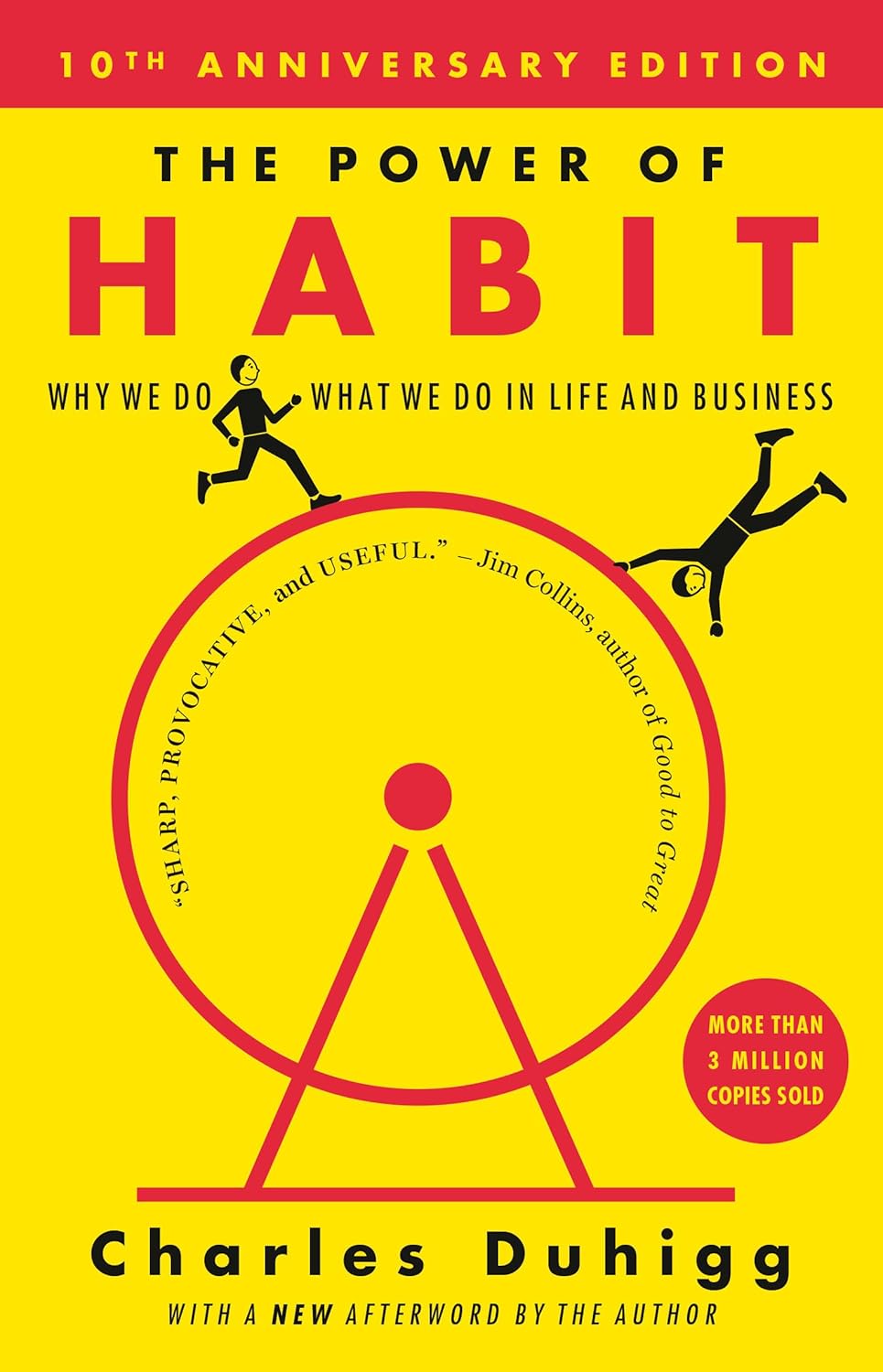
BOOK #1: The Power of Habit
By: Charles Duhigg ⭐⭐⭐⭐⭐
Read More
Charles Duhigg shows that your patterns run on a loop you did not build on purpose. A cue, a routine, a reward, set down so long ago you stopped seeing where it started. That is the buried memory at work. The thing you keep doing traces back to a moment that set the loop, and we rarely go looking for it. This book hands you the mechanism behind why the memory you buried still drives the way you live. Read it next to your own mining, and you start to see which loops you are running, and where they began.
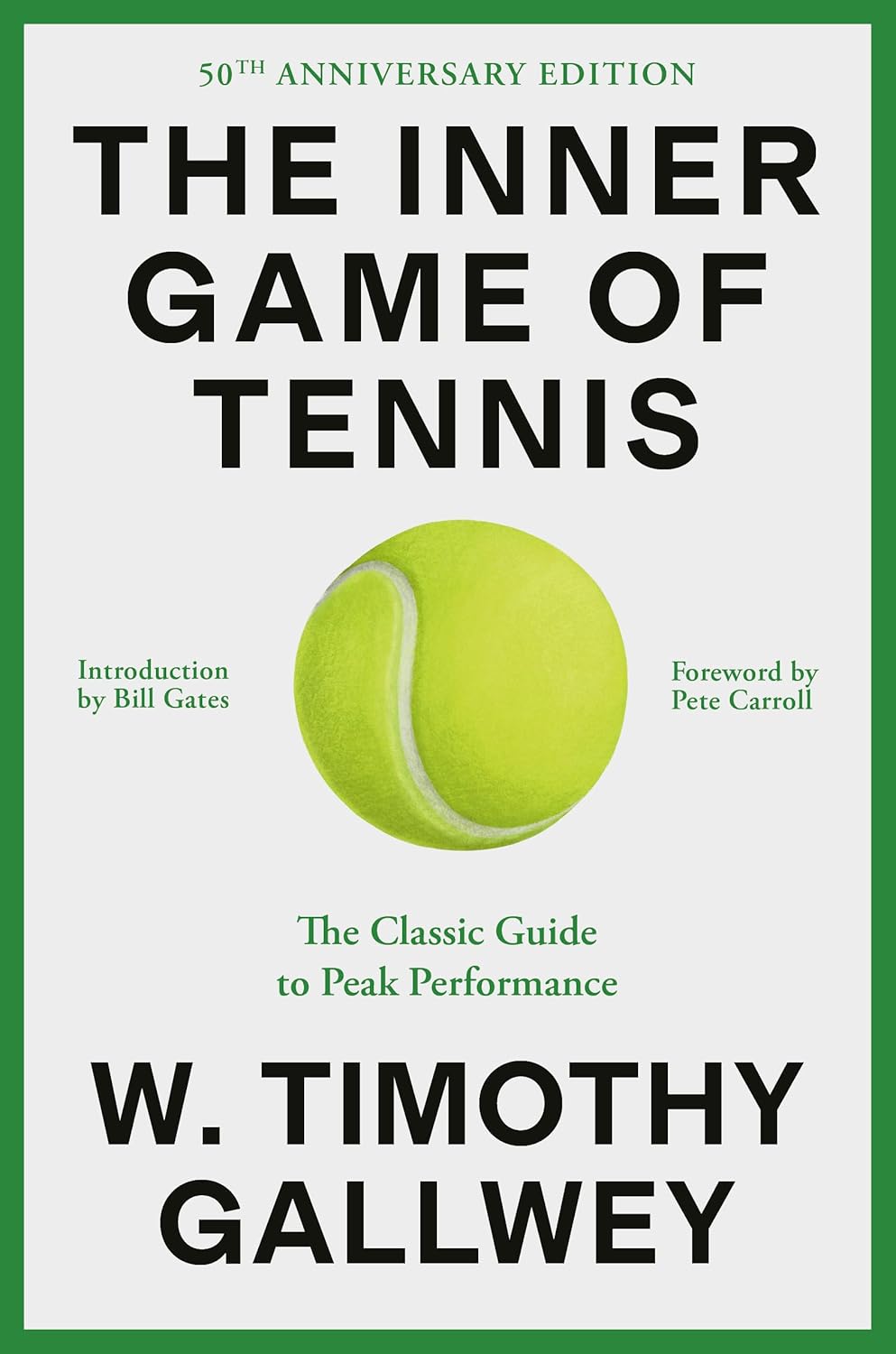
Timothy Gallwey's insight is that the loud, judging voice in your head is the thing blocking you, and your real performance comes from a quieter self that already knows. This is your Move 1 in book form. Noise does not go where more noise is. Gallwey shows you how to quiet the judging mind so the thing you have been reaching for can surface on its own. For mining memory, that is the skill itself. Get quiet enough that the buried thing feels safe to come back.
The memory came back tonight. The one you have been stepping over for years. You made the room quiet enough, and it finally arrived.
You might write it down for the first time. You might have been circling it for months.
Either way, this is where you give the buried thing a place to land.
The meaning starts the moment you write it down.
By the way, this one is UltraHyde hardcover. 80 lined cream pages. Ribbon page marker. Elastic closure. 5.5 x 8.5 inches.
You went back for the memory you spent years walking around. You dug it up. You made it mean something. The hat is how you wear that.
This one is distressed on purpose. Worn-in, broken-in, marked by use. So are you. The memories you went back for left their marks, and you wear them now without flinching.
You might still be in the digging. You might have just come up with the thing you went down for.
Either way, you put it on and the room reads it without a word. The wear is the proof. You went somewhere and came back with something.
I went back for it. I wear what I found.
By the way, this one is 100% pre-shrunk cotton twill. Embroidered front patch. Hook-and-loop closure. One size. Black, Charcoal Grey, Khaki, Navy.
This week you got the mining reframe: you do not chase your memories, you make a quiet room and let them arrive. You got five moves to mine what you buried. And you got the Developmental Editing tool, the system that goes into your raw material and surfaces the golden thread you could not see on your own.
This week's exercise:
1. Sit in silence for ten minutes. No phone. No music. No input.
2. Ask yourself one question: what is the memory I keep stepping over?
3. Do not chase it. Let it arrive.
4. When it does, open Claude, paste in the Developmental Editing prompt, and feed it what surfaced.
5. Let the tool mine what you buried.
By the way.
The Life-Changing Wisdom Marketplace is open, and in less than ninety days the first 250 spots close. If you are ready to stop stepping over the memories that carry the most weight and start mining them into the book only you can write, this is the window.
You bring the buried material. We bring the mining rig and the community. When those 250 spots fill, they fill. Apply on the marketplace.
Share This Brief
Help others discover these tools by sharing on your favorite platform:
I've read and listened to over 900+ books. These are the ones worth your time.
Searchable, filterable, and organized so you find your next great read in seconds.