He Wrote About Meaning When The Others Wrote About Events
You have a chapter that hurt you. Something in that chapter trained a skill you use now without thinking about it. You do not connect the two because the pain is louder than the pattern.
But the observer sees both.
Twelve people sat in a room with the same teacher. They heard the same words. Walked the same roads. Watched the same impossible things happen in front of them. When the hardest moment arrived, eleven of them left the room in one way or another.
One stayed.
His name was John. He was the youngest. The least experienced. The 4th one called. He stayed because he understood something the rest missed: the meaning lives where the pain is. If you leave the room, you miss it.
He was close to the heart. Not the hand, where the work happens. Not the head, where the logic happens. The heart. Where meaning lives. He leaned against the chest of the person who mattered most. Close enough to hear the heartbeat.
When the other three Gospel writers sat down to record what happened, they wrote about events. Matthew wrote what Jesus did. Mark wrote where Jesus went. Luke wrote who Jesus healed.
John wrote what it meant.
"In the beginning was the Word."
He started with meaning. And that is the shift you are making as a memoir writer.
You have been recording events. What happened in the deployment. What happened in the marriage. What happened when the business collapsed. The Matthew, Mark, and Luke version of your story. Accurate. Chronological. Factual.
The memoir your reader needs is the John version. The one that sits close to the heart and writes about what it meant.
Monday, Issue #14 of Zero went live on LinkedIn. It is called Amnesia. That chapter opens with a scene you will recognize: you were sitting across from someone and you knew. Something in your chest read the room before your brain caught up. You tucked the knowing back and told yourself you were overthinking. Weeks later, you found out you were right.
That is what happens when the observer inside you speaks and you leave the room instead of staying to listen. You had the meaning. You buried it. You left before the sentence finished.
Your memoir is the place where you go back to those moments and stay this time.
Room 2 • Tools of the Week
The Tools That Changed Everything
TOOL #1: Claude by Anthropic
When you sit down to write a painful chapter, your instinct is to summarize and move on. Claude sits with you inside the chapter and asks: what did this mean? What pattern do you see now that you could not see then? What is the sentence underneath the sentence you wrote? Claude keeps you in the room when your instinct says leave.
Last week we introduced 12 story arcs designed for memoir writers. This week, two arcs connect to what we are building. Anchor: what held you when nothing else could? And Harvest: what did someone plant in you that you are still reaping the benefit from? Both episodes in Room 4 show you what these arcs look like when real people live them.
You have a chapter where something broke. A household. A relationship. A career. A child. A version of yourself that could not survive what was happening around it.
That chapter trained something in you. A reflex. A way of reading people. A way of staying steady when the room is shaking. A way of knowing what someone means before they finish the sentence. You developed it so early and so deeply that you forgot it was a skill. It feels like instinct. It is instinct now. But it was built.
Your chaos trained your calm. Your loss built your courage. Your rejection sharpened your edge.
The transformation was happening the whole time. You could not see it because you were standing on one side of the experience. The observer sees both sides at once. The participant can only see the side they are standing on.
This week, two conversations on Emma Grede's Aspire podcast showed me what both sides look like.
Rich Kleiman grew up in a volatile household in New York. His mother was erratic and addicted. His parents announced their divorce when he was ten, then stayed in the same house for four more years without speaking to each other. He used to stand at the doorstep of his room at night to make sure they were sleeping before he could close his eyes.
He lived two lives. Chaos at home. Center of the party outside. And from that split, he developed the observer's lens. He said: "I'm hyper aware. I'm paying attention. I can read rooms really well. I can read people really well."
Emma named the flip: "You always imagine that your childhood trauma will have negative effects. And what you described is actually a superpower."
The chaos side: a kid who could not sleep because he was afraid his parents would destroy each other. The transformation side: a man who can walk into a room with billionaires, athletes, and media executives and read what is happening underneath the conversation before anyone else registers it.
Same experience. Two sides.
Then Kleiman said the line that your memoir needs to hear: "I used to tell myself certain stories about myself and that's how I felt better. Now I tell myself the truth."
The comfortable story is the participant's version. The truth is the observer's version. Your memoir is where you write the truth.
Then Monique Rodriguez sat down with Emma and described the other side of a different kind of pain. She lost her son at eight months pregnant. That is the kind of chapter that makes people close the book on their own life.
She stayed.
She said: "Sometimes pain can come in a gift, but the gift doesn't come wrapped in shiny wrapping paper. It can come ugly, messy. And we don't look at it in that moment as a gift."
From that loss, she found the courage to leave her nursing career and build Mielle from her kitchen table. She had no blueprint. She Googled for chemists. She put inventory on layaway. She and her husband went from two incomes to one, then to zero. They charged up credit cards. They cashed out 401ks. They put their house up as collateral. She was $23 million in debt with banks threatening to take her home.
She stayed in the room. She kept writing the next chapter while the current chapter was on fire.
The loss side: a mother who buried a child she carried for eight months. The transformation side: a woman who built a company acquired by Procter and Gamble, negotiated to stay on as CEO, and created a path for founders who look like her to see what is possible.
Same life. Two sides.
Rodriguez also described how she learned: "I study people. I'll watch every interview that person has done. I'll read every book, every article." She became the observer of people who had walked the path she wanted to walk. She watched. She absorbed. She applied what she saw.
That is the observer's discipline. And it is the discipline your memoir requires.
When you write your chapter, you are doing what John did. You sit close to the heart of the story. You look at the painful side and you look at the transformation side. You write both. You show the reader that the chaos trained the calm, the loss built the courage, the rejection sharpened the edge.
The reader does not come to your memoir for the events. The reader comes for the flip. They come to see someone sit inside the pain and find the meaning on the other side. Because they are carrying a chapter with two sides and they can only see one of them.
Your memoir shows them the other side.
The meaning is three sentences past where you stopped writing last time. Go back. Stay in the room. Write from the position of the observer. The flip is already inside the chapter. You see it once you stop standing on one side and look at both.
PODCAST #1: Growing Up in a Volatile Home Taught Him This
Featured: Rich Kleiman on Aspire with Emma Grede
Read More
Kleiman on childhood chaos, reading rooms, and the moment he stopped telling himself comfortable stories and started telling the truth. Start at 8:35 for the volatile childhood. Jump to 13:39 for the superpower conversation. Jump to 36:05 for the moment he talks about telling himself the truth.
PODCAST #2: From a Basement to a Billion Dollar Brand: The Greatest Founder Story You Never Heard
Monique Rodriguez on Aspire with Emma Grede
Read More
Rodriguez on losing her son, building from grief, and staying in the room when the room was on fire. Start at 12:49 for the loss and the pivot. Jump to 38:34 for the near-bankruptcy. Jump to 49:11 for how she learned by studying people. Emma references the Kleiman episode inside this conversation.
Room 5 • What I'm Reading
Books of the Week
You have the tools. You've done the internal work. Now you need frameworks.
BOOK #1: The Goal
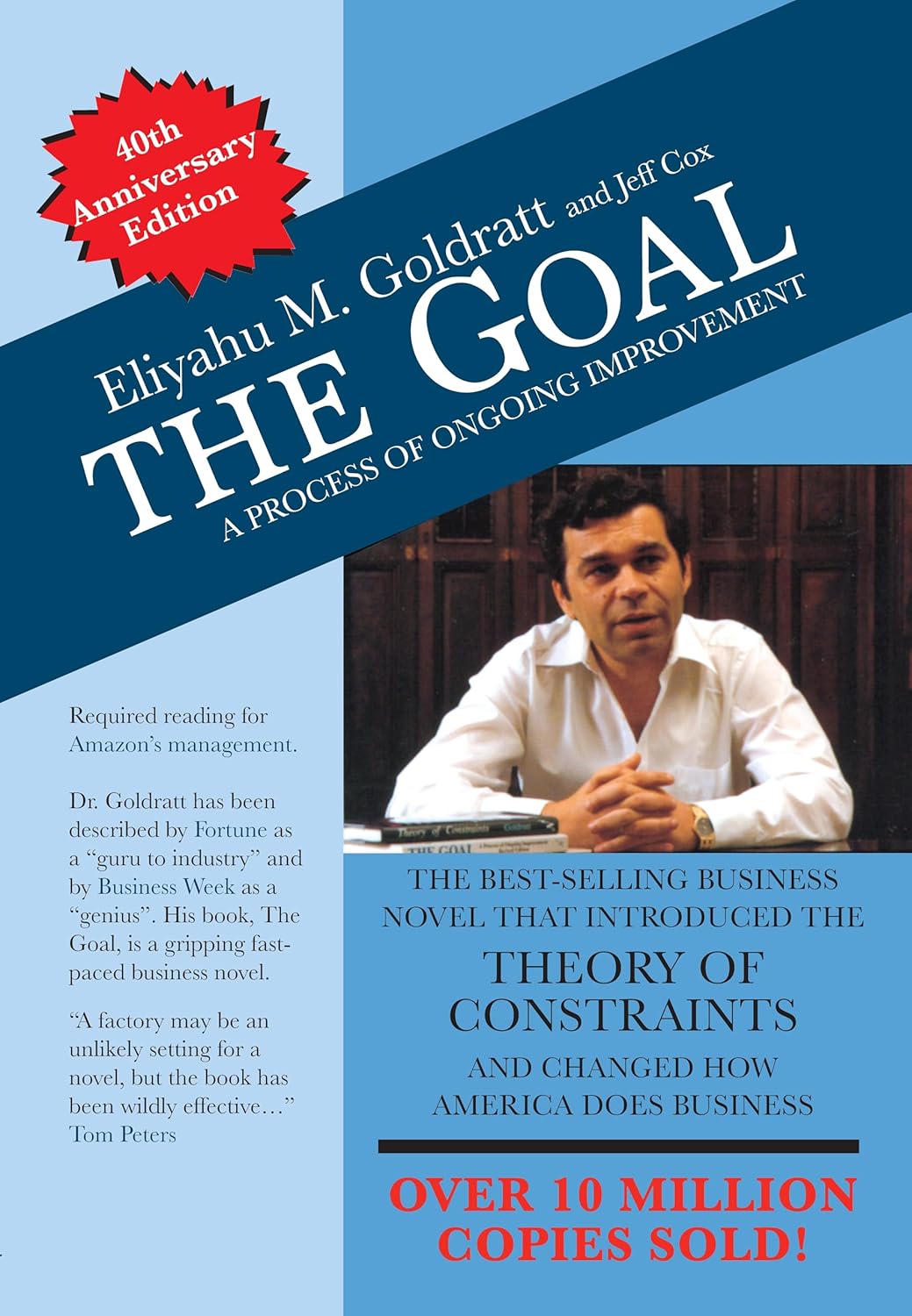
By: Eliyahu M. Goldratt ⭐⭐⭐⭐⭐
Read More
Goldratt wrote about finding the one constraint in a system that holds back the entire operation. For a memoir writer, that constraint is the chapter you keep avoiding. The one you summarize instead of sitting inside. Until you stay in that room long enough for the meaning to surface, the rest of your book cannot move forward. Find the bottleneck. Stay with it. The book moves once that chapter breaks open.
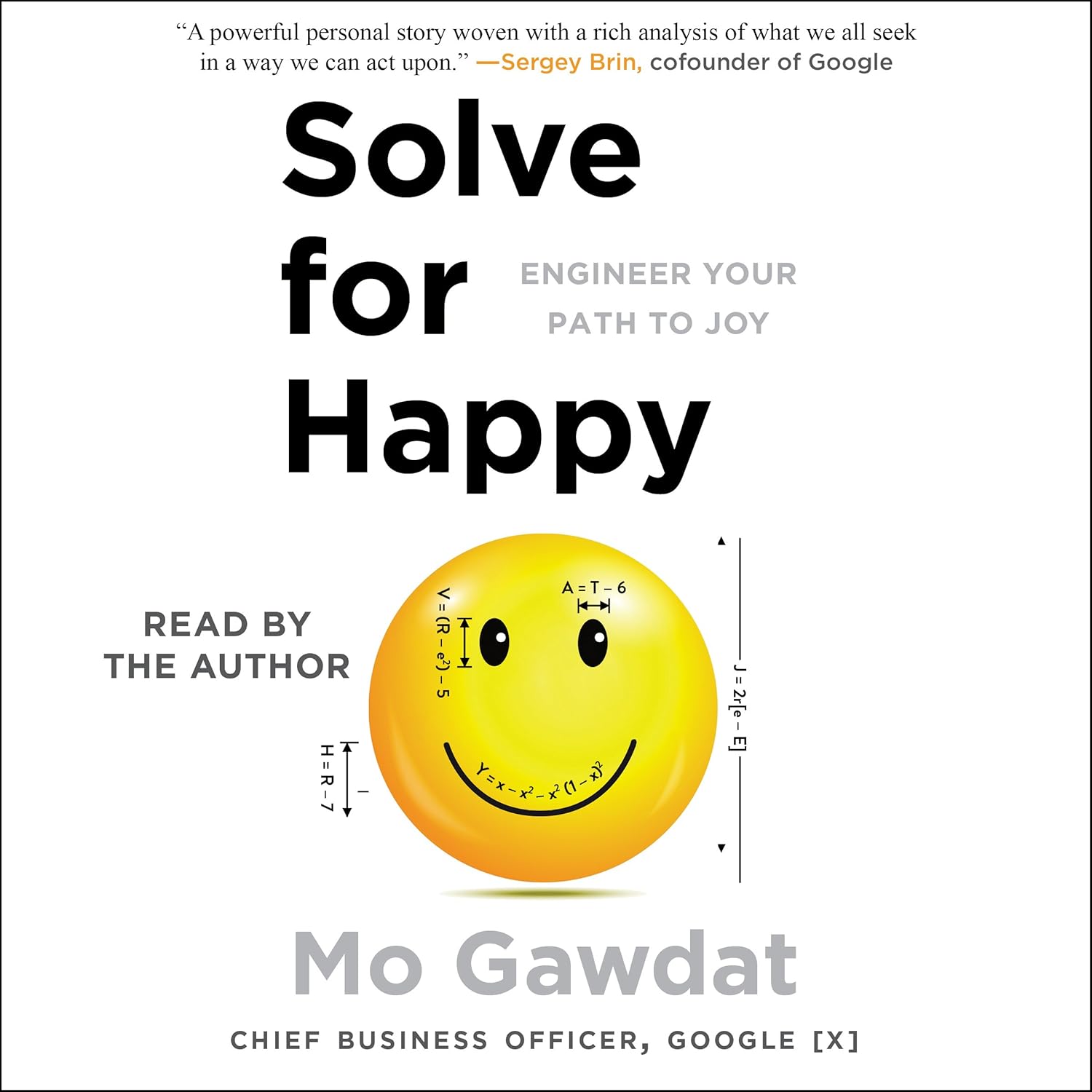
Gawdat was a senior executive at Google X when he lost his son during a routine surgery. He applied the same problem-solving discipline he used in engineering to his grief. He looked at the equation and found that unhappiness lives in the gap between what you expected and what happened. His story mirrors Rodriguez's: a parent who lost a child and found the transformation on the other side of that loss. For memoir writers, this book is the observer's discipline applied to the hardest chapter of your life.
PRODUCT #1: Isotonix Digestive Enzymes with Probiotics
Read More
Staying in the room with a painful chapter requires your body to cooperate. Brain fog pulls you out before the meaning surfaces. These enzymes clear the fog so you can sit with the story long enough for the flip to become visible.
The observer needs rest to see clearly. For the last decade of my military career, sleep was broken. Magnesium rebuilt the rhythm so the mornings became mine again. The writing happens when the body is rested and the mind is still.
Next Friday another look inside the build. Monday the next chapter of Zero drops on LinkedIn. Chapter 9 is called Projector.
If you are following this journey, you are watching a book get built in real time. And if you are ready to start building your own, the Memoirs to Millions community is where that work happens.
Share This Brief
Help others discover these tools by sharing on your favorite platform:
I've read and listened to over 900+ books. These are the ones worth your time.
Searchable, filterable, and organized so you find your next great read in seconds.