Watch Asher's quick intro to this week's tools, resources, and insights
Read More
One of my favorite podcasts drops each week, and I want to introduce you to it. Moonshots with Peter Diamandis covers AI, space, emerging technology, and the future of what is possible. The hosts take news that would scare most people and show you the opportunity inside it. If you want a positive, forward-looking lens on the world we are building, subscribe to this channel.
Become an Author / Vendor
A book is the first thing that outlives you.
The Life-Changing Wisdom Marketplace is open. Bring what you lived. We help you publish it.
You have been watching stories your whole life. Movies, shows, documentaries, series that pull you in and make you forget you are sitting on a couch. You consume them. You feel them. And then you move on to the next one.
Something changed for me recently. I started watching a show called For All Mankind on Apple TV. Four seasons out, a fifth on the way. It follows an alternate history of the space race where the competition between nations pushes humanity further than we went in real life. The writing is sharp. The characters carry weight. The scenes land.
But here is what was different this time. I started noticing HOW the writers built the scenes. How they set up tension. How they let silence carry more weight than dialogue. How one conversation between two people could hold the emotional gravity of a season.
I was not consuming the show. I was studying it.
That shift is the shift you are making right now as a memoir writer. You have been the actor in your own life for decades. You lived the scenes. You felt the emotion. You carried the weight of the deployment, the immigration, the business failure, the marriage. You did not have time to think about HOW the scene was built. You were inside it.
Now you sit down to write. And the question becomes: how do you take something you have lived, something that was visual, physical, emotional, and assign language to it? How do you describe the feeling of standing in a kitchen in a country that is not yours, hearing a language you do not speak, and knowing your life will be measured differently from that moment forward?
That is the craft. Your life has been the acting. Now you get to write the scene. And to write it well, you need a lens.
Monday, Issue #13 of Zero went live on LinkedIn. It is called "Three Letters That Changed How I See The World."
The chapter is about the word Verb. And it says something your memoir needs to hear: the telescope is extraordinary, but the telescope is not creating anything. You are. Your filters shape your world. Two people can stand in the same room and experience two different realities because the filters are different. One brain assembles threat. The other assembles opportunity. Same raw data. Different creation.
As a memoir writer, story arcs are your filters. They do not change your story. They change how you see it. Once you hold a chapter up to the right arc, you start to notice what belongs and what drifts. You see the shape your chapter has been trying to take. And you can write toward it instead of writing around it.
This week I am introducing a framework I have been building. Twelve story arcs designed for memoir writers. Each arc has a name, a definition, and a question. The question is the lens. Hold your chapter up to it. If the question stops you, that is your arc.
Room 2 • Tools of the Week
The Tools That Changed Everything
TOOL #1: Claude by Anthropic
Once you identify which of the 12 arcs your chapter leans toward, bring it to Claude and ask: where does this chapter align with the arc and where does it drift? You write the raw chapter first. Claude helps you sharpen it once the shape is visible.
Twelve story arcs designed for memoir writers. Each one has a name, a definition, boundary lines that separate it from the others, real-world examples, and a single question your chapter needs to answer. Read the table. Find the question that stops you. That is your arc. Use the AI prompts at the bottom of the document to strengthen your chapter once you know its shape.
Your One Story At Depth Is Worth More Than A Hundred Stories At The Surface
Two conversations landed this week that connect directly to why story arcs matter for memoir writers.
Dr. Benjamin Hardy sat down with Myron Golden and said something that needs to sit with you: "The most debilitating thing about trauma is what it does to your future. Trauma destroys hope. And hope is associated with goals."
That sentence explains why so many people resist writing their story. The past is not painful because of what happened. It is painful because of what it did to how you see your future. An unresolved chapter does not stay in the past. It sits on top of your goals and presses down.
Hardy also said: "Your past is a phenomenal tool for meaning and lessons." That is the controlled trip back from last week's Brief. You go back to the chapter you buried. You sit inside it. And instead of letting it press down on your future, you give it meaning that pushes you forward.
Myron Golden lived this. He contracted polio as an infant in a segregated hospital in Tampa. As a child, he could not say the word "polio" without tears. It was the thing that made him different in a way that felt like damage. But looking back from where he stands now, he said if God offered him a do-over without polio, he would choose the same path again. Because the limitation shaped the capacity. The thing that slowed his body gave his mind room to build something his body could not have reached on its own.
That is the Rebirth arc: an external event ended one version of his life and started another. And the Harvest arc sits underneath it: something was planted in the soil of that limitation that took decades to bloom.
When Golden talks about the power law, the principle that a small number of inputs create the majority of results, he is describing what happens when a memoir writer goes deep on one story instead of spreading thin across a hundred. Most people operate at the mean. They share surface-level experiences that sound like what the person next to them is sharing. The memoir writer who sits inside one chapter, one wound, one transformation, and takes it to depth is operating on the tail of the power law. The depth is the differentiator.
Then Rory Sutherland sat down on the Action Coach podcast and drew the connection between differentiation and what he called discretionary effort. He told the story of the Double Tree hotel. When you check in, they hand you a warm cookie from an oven underneath the front desk. Sutherland stayed at a Double Tree over a decade ago. He cannot remember the city. He remembers the cookie.
Why? Because the cookie was discretionary. No hotel has to give you a cookie. The gesture stood out because it was a choice, not a requirement.
Your lived experience inside a memoir chapter is the same kind of gesture. You did not have to write it. You did not have to go back into that deployment, that divorce, that silence. You chose to. And the chapter you write at depth, the one where you sit inside the arc and take it to its full expression, that is the thing a reader carries with them long after the book closes. In a world where AI can produce content at a volume and speed no human can match, your lived experience at depth is the one thing it cannot replicate.
Sutherland also talked about rewriting the question. He said the reason a problem stays unsolved is usually because the wrong question has been asked for too long. The standard question memoir writers ask is: how do I write my story? The better question is: which story am I telling? Which arc does this chapter lean toward? Once you reframe the question, the writing sharpens. The 12 arcs are a tool for rewriting the question.
PODCAST #1: 10X SCALING SECRETS | The Simple But Challenging Secrets Of Scaling Exponentially
Featured: Myron Golden with Dr. Benjamin Hardy
Read More
Hardy on trauma destroying hope and your past as a tool for meaning. Golden on polio, choosing the same path again, and why depth on one story beats breadth across a hundred.
PODCAST #2: Rory Sutherland on Trivial Improvements vs Real Strategy
Featured: Rory Sutherland on the ActionCOACH Podcast
Read More
Sutherland on why discretionary effort is the thing people remember, why benchmarking makes you invisible, and how rewriting the question changes the answer.
Room 5 • What I'm Reading
Books of the Week
You have the tools. You've done the internal work. Now you need frameworks.
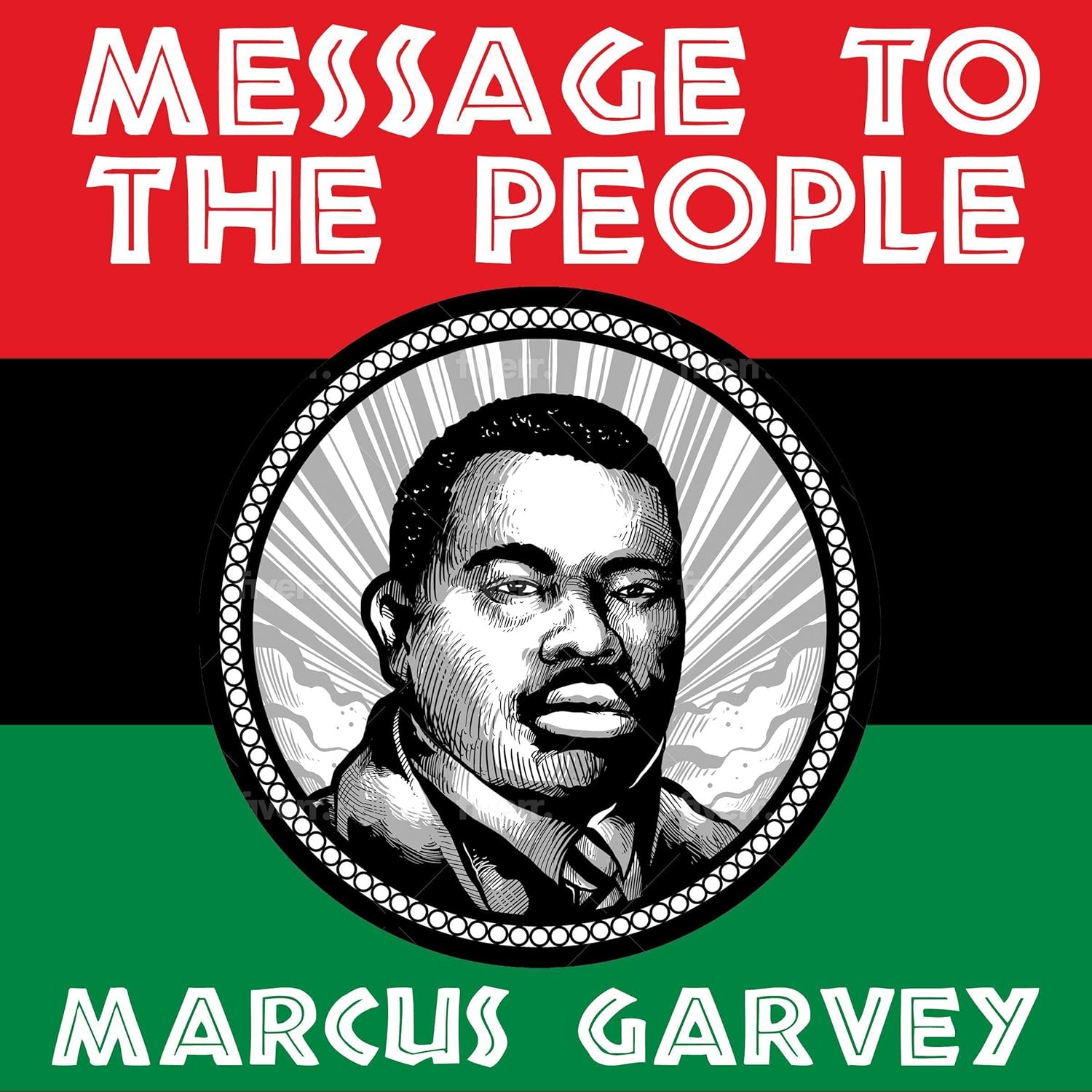
BOOK #1: Message to the People: The Course of African Philosophy
By: Marcus Garvey ⭐⭐⭐⭐⭐
Read More
Garvey was teaching people to see themselves as the authors of their own story, not characters in someone else's narrative. Know your history. Know your value. Build from who you are. For memoir writers, that is the Harvest arc in action: what was planted in you by your ancestors, your culture, your lineage that you are still reaping the benefit from.
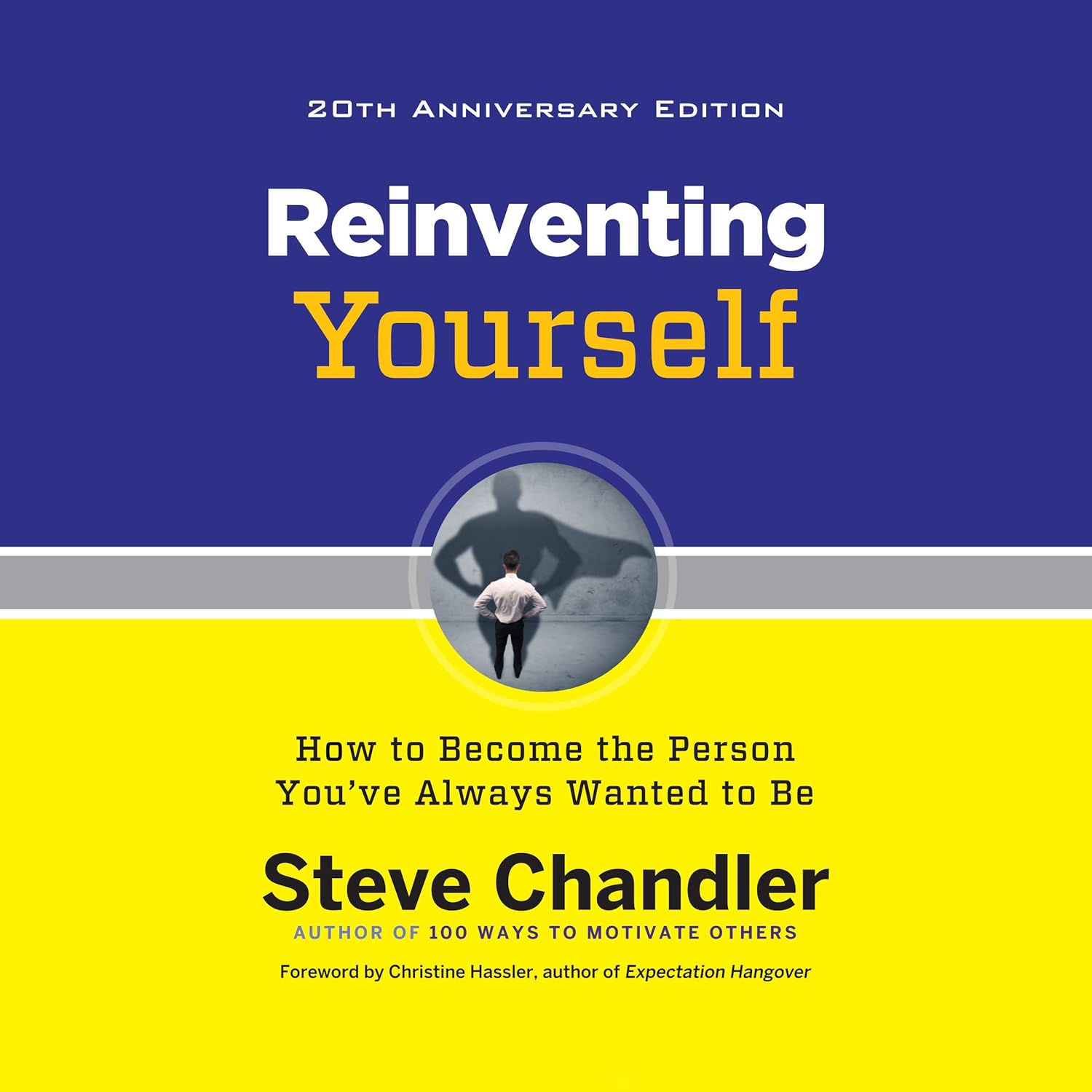
Chandler breaks down the shift from what he calls the victim mindset to the owner mindset. That maps directly to the 12 arcs. Tragedy is the chapter where you were the flaw. Epiphany is where the fog lifts. Redemption is where you repair the damage. This book is about choosing which version of yourself writes the next chapter.
PRODUCT #1: Isotonix Digestive Enzymes with Probiotics
Read More
Provides enzymes and good bacteria that promote nutrient absorption from foods. Promotes digestion, may help ease occasional stomach upset, and supports healthy immune functions.
Supports healthy sleep quality, may help the body adapt to stress, promotes optimal muscle health and comfort, and supports cardiovascular health. Gluten-free, vegan, dairy-free.
Next Friday another look inside the build. Monday the next chapter of Zero drops on LinkedIn. Chapter 8 is called Amnesia.
If you are following this journey, you are watching a book get built in real time. And if you are ready to start building your own, the Memoirs to Millions community is where that work happens.
Share This Brief
Help others discover these tools by sharing on your favorite platform:
I've read and listened to over 900+ books. These are the ones worth your time.
Searchable, filterable, and organized so you find your next great read in seconds.