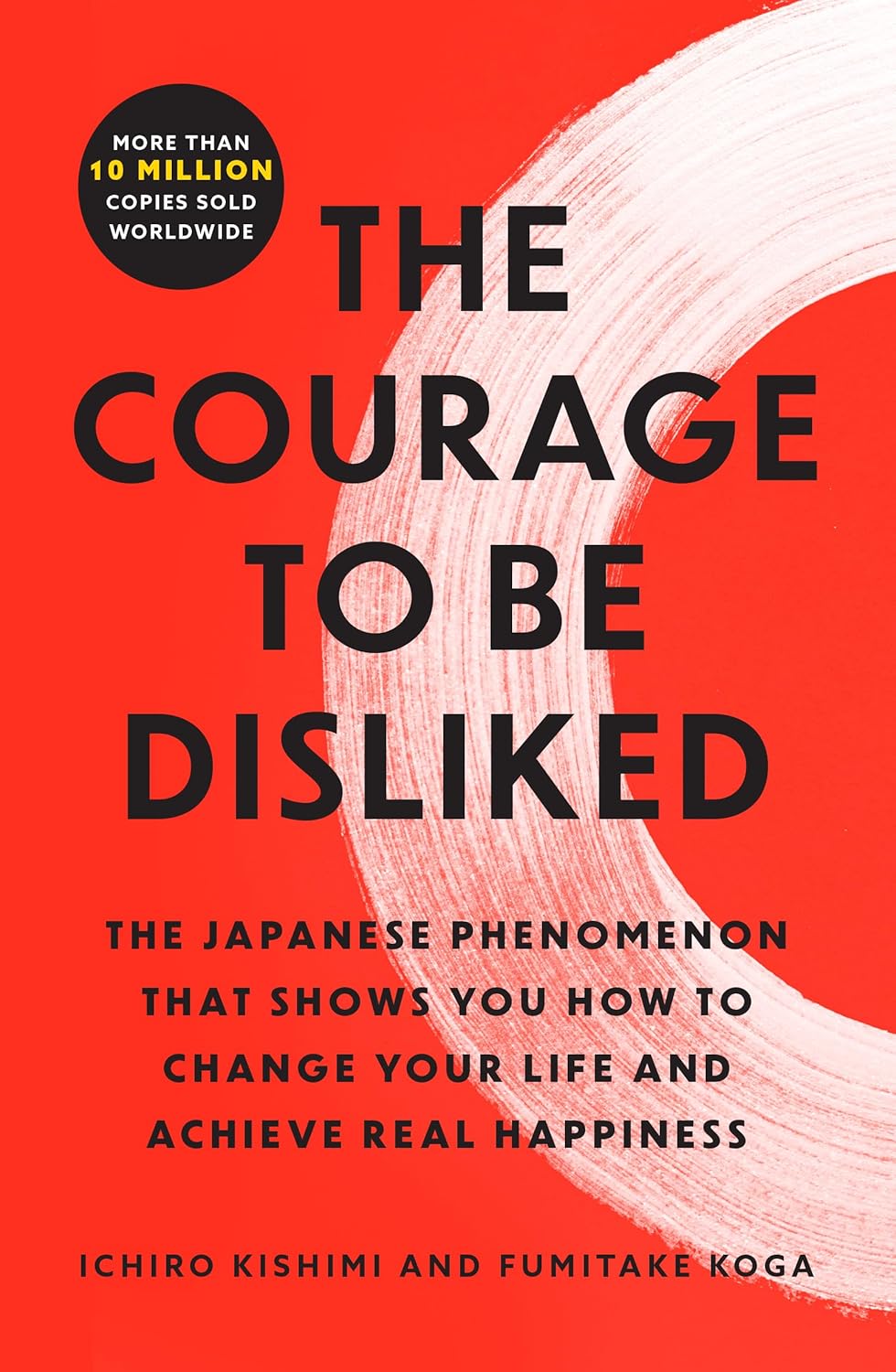
You know the fear. The one that lives louder than the rest. The one that says: do not make a mistake here. Do not give them a reason to send you back.
When I moved to the United States from Jamaica, that fear shaped how I walked through this country. Careful. Performing. Making sure I earned the right to stay.
I watched fellow immigrants make one wrong move and end up on a plane heading the wrong direction. And the fear of that plane kept me clenched for years.
That fear drove me forward. It also kept me clenched.
This week, I heard a man describe the same fear from a different continent. Thierry Henry, Arsenal's record goal scorer, grew up in France with parents from the Caribbean. His family left Guadeloupe for the mainland with one instruction burned into their children: do not make mistakes. Fit in. Do not spoil this.
Henry said he grew up feeling like he needed to fit in and not belong. Fitting in means performing well enough to stay. Belonging means being accepted as you are. Two different experiences wearing the same clothes.
If you have carried that weight, you recognize it. The immigrant knows it. The veteran knows it. The entrepreneur who left a stable career to build something uncertain knows it.
I don't want to get sent back.
But the memoir writer's version of that fear is different. You are not afraid of a plane or a border. You are afraid of going back into the chapter you buried. The deployment. The divorce. The silence that broke something inside you.
You left that version of yourself behind, and the idea of sitting inside it again feels like getting deported back to a life you fought to leave.
That is what Monday's chapter of Zero is about. Marriage. Your heart expands and contracts. It does not fear the contraction. It does not say, "I refuse to go back." It goes back. And the going back is what creates the force that pushes the blood forward.
The fear of going back is real. But the trip back is where the meaning lives.
If you want a better future, you have to give yourself a better past.
That does not mean a different past. It means better meaning for the past you have.
And to give it better meaning, you have to go back. You have to sit inside the chapter you buried. You have to look at the deployment, the breakdown, the moment that changed how you saw yourself, and you have to say: I see what happened here. I see what it cost me. And I am going to give this story meaning that serves my future instead of meaning that haunts it.
The memoir is a controlled trip back. You go back on purpose, with a pen in your hand, and you come back with something you can use.
The writing comes after. The going back is the starting line.
Room 2 • Tools of the Week
The Tools That Changed Everything
TOOL #1: Claude by Anthropic
The controlled trip back is hard to do alone. Your mind pulls you into the emotion before you can find the meaning.
Claude sits across from you and holds the weight of the story without flinching while you figure out what it means.
When I sit down with a raw chapter of Zero, I bring it to Claude and say: here is what happened. Help me find the structure inside this. Help me see the pattern I am too close to see. Help me turn this boulder into a pebble that a reader can carry.
Claude does not replace the trip back. You still have to go. But it holds the mirror steady and asks the questions that help you pull meaning out of the mess before the emotion pulls you under.
Before you sit down to write, you have to speak. Wispr Flow turns your voice into text in real time, which means the story comes out raw, unfiltered, and honest. The version of your story that lives in your mouth is closer to the truth than the version that lives in your typing fingers. Your fingers edit. Your voice remembers. Use Wispr Flow to capture the controlled trip back the moment it happens, then bring that raw transcript to Claude and start shaping it.
Monday, Chapter 6 of Zero went live on LinkedIn. It is called Marriage.
Your heart has been doing two opposite things since before you were born. Expand. Contract. Expand. Contract. Two movements married together in a rhythm so steady you forgot it was happening. The expansion creates the space.
The contraction creates the force. One cannot exist without the other.
That chapter is about ending the war between the two sides of yourself and learning to let them dance. Structure and creativity. The anchor and the drift. The routine and the discovery.
This week, two conversations landed that show what happens when that marriage breaks down, and what happens when someone starts to rebuild it.
Thierry Henry sat down with Steven Bartlett and described a life built on one pattern: please my father. His dad held him as a baby and said, "This baby will be an amazing football player." From that moment, Henry was on a mission to fulfill his father's prophecy. He was placed on a football pitch at five. Entered an elite academy at thirteen. Left home as a child and became an athlete.
And the athlete wore a cape.
When the cape was on, Henry knew what to do. Train harder. Score more. Win the next match. The cape protected him from the questions he could not answer and the feelings he could not name. When the cape came off after retirement, he had to face the human being underneath. He described crying in a room in Montreal during covid, alone, and not understanding why. He said it was not him crying. It was the young T. His inner child. The version of himself who scored six goals in one game, won 6-0, got in the car with his father, and heard: "You missed that control. You missed that cross. You missed that." That version of him walked into his mother's house looking like he had lost. She asked. He said no, we won 6-0 and I scored all six.
Henry spent decades chasing approval that lived in the car ride, not on the scoreboard. The world gave him trophies.
His inner child was still waiting for a nod.
Then one day he packed his bags to leave for Montreal again. His kids, his girlfriend, the nanny, they started crying.
And he felt something shift. He said: "For the first time, I realized they were crying for me. Not the football player. Not the accolades. And I felt human."
He put the bags down. He stayed.
Henry went back to his inner child, the version of himself still sitting in that car, and realized that the approval he had been chasing was standing in his living room, coming from faces he had been too busy performing to see.
He said: "My dad never read. My dad never traveled. He knows one way. His way. You can't be upset with someone who tries to do his best and educate you with his tools. My box of tools has more tools. My kids will have more tools than me."
That is what the controlled trip back looks like for a memoir writer. You go back to the story. You look at the people in it. And instead of rage or grief or shame, you see something you could not see when you were living inside it: they were working with the tools they had. You have more tools now. And the memoir is the tool that gives the story better meaning.
Then Daniel Priestley sat down with Bartlett and drew the line between your story and your business.
Priestley said the most defensible asset in the age of AI is the thing you lived through and can explain step by step.
He called it your personal playbook. The thing that happened to you, the way you processed it, the steps you took. He said an AI can access more data than you will read in a lifetime, but it has not lived through a single day of your story. It cannot stand on a stage and put its hand on your shoulder and say, "I have been through what you have been through and you are going to be okay."
He said: relatable beats impressive.
Henry's story is valuable because he lived it. Priestley's playbook is valuable because he built it from failure. Their stages look different from yours. The scale is different. The work is the same: go back, give it better meaning, come forward with something that serves the people in front of you.
We witnessed that when Henry and Priestley opened up about what matters after dominating their stage. You dominate your own stage. And on your stage, you speak with the same ownership they carry on theirs.
Your fear of going back is the compass. The story you are most afraid to write is the one a reader somewhere needs to hear.
Two conversations from The Diary of a CEO that frame what we covered in Room 3. You already know what to look for. Watch them through the lens of your memoir.
PODCAST #1: Thierry Henry: I Was Depressed, Crying & Dealing With Trauma!
Featured: Thierry Henry with Steven Bartlett
Read More
The cape, the car ride, and the moment his children's tears reached the part of him his trophies could not touch. Watch it and pay attention to the tools conversation near the end.
PODCAST #2: Daniel Priestley: AI Will Make Plumbers Earn More Than Lawyers!
Featured: Daniel Priestley with Steven Bartlett
Read More
Priestley on personal playbooks, why relatable beats impressive, and how the thing you lived through becomes the business you build. The memoir connection writes itself.
Room 5 • What I'm Reading
Books of the Week
You have the tools. You've done the internal work. Now you need frameworks.
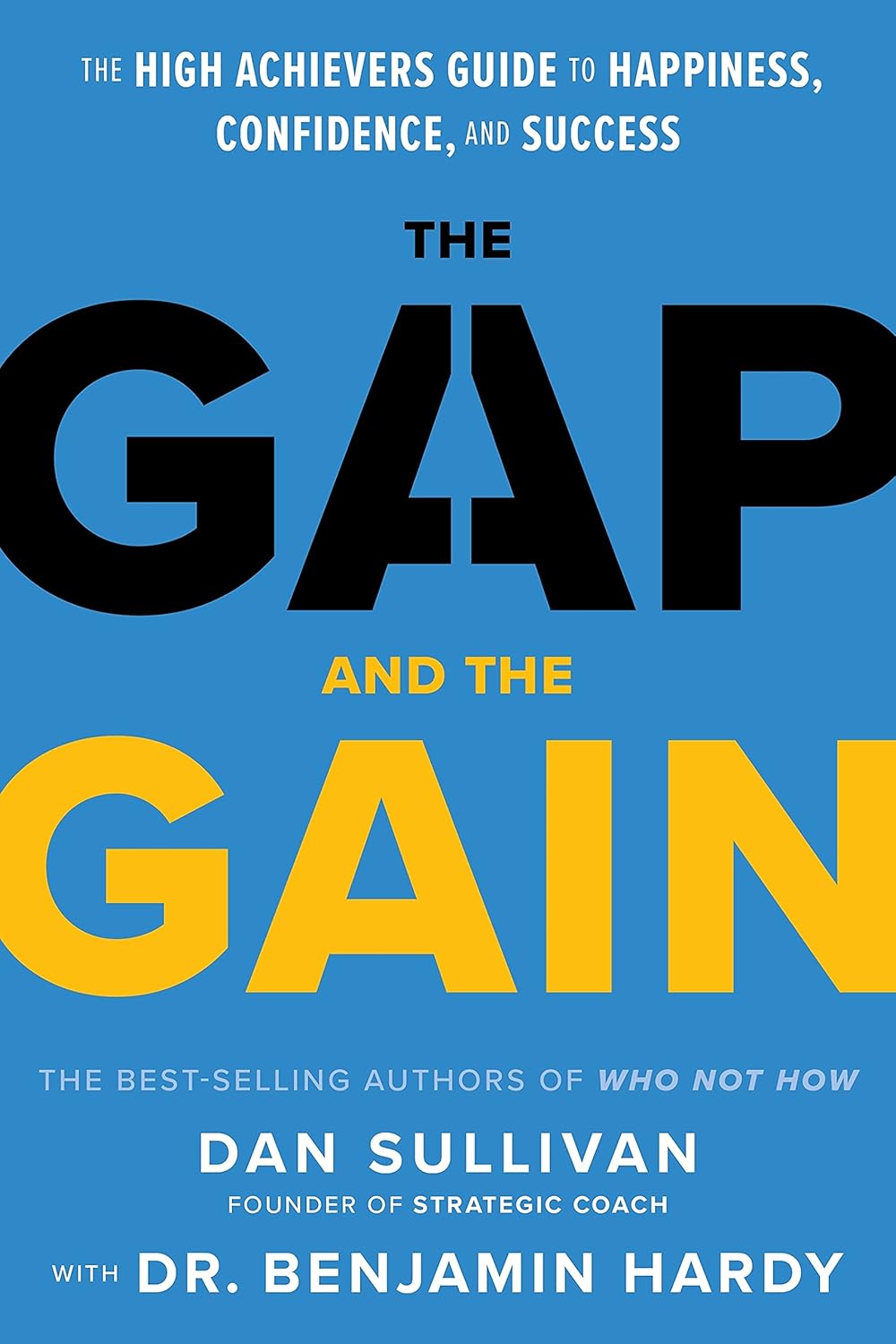
BOOK #1: The Gap and the Gain
By: Dan Sullivan with Dr. Benjamin Hardy ⭐⭐⭐⭐⭐
Read More
Sullivan says stop measuring forward from the ideal you have not reached. Turn around. Measure backward from where you started. For memoir writers, that shift turns a painful chapter into proof of distance traveled.
This book argues your past does not determine your present. You choose the meaning. For memoir writers: your story does not define you. You define the story.
PRODUCT #1: Isotonix Digestive Enzymes with Probiotics
Read More
The controlled trip back requires focus. You sit down to write about the hardest chapter of your life, and brain fog pulls you out before the first paragraph lands. These enzymes clear the fog so the pen keeps moving.
Your heart beats in a rhythm. Your sleep follows one too. For the last decade of my military career, mine was broken. Magnesium helped me rebuild it so the mornings became mine again.
Next Friday another look inside the build. Monday the next chapter of Zero drops on LinkedIn. Chapter 7 is called Verb.
If you are following this journey, you are watching a book get built in real time. And if you are ready to start building your own, the Memoirs to Millions community is where that work happens.
Share This Brief
Help others discover these tools by sharing on your favorite platform:
I've read and listened to over 900+ books. These are the ones worth your time.
Searchable, filterable, and organized so you find your next great read in seconds.