Claude, Replit, And The Psychological Journey Of Building A Book In Public
February 27, 2026 • 10:00
This Week on Weekly Intel
📹 Watch This Week's Intro
Watch Asher's quick intro to this week's tools, resources, and insights
Read More
This week I am taking you inside the build. The landing page, the tools, and what it actually looks like to construct a book and a platform at the same time using AI.
Room 1 • The Opening
The Quiet Room
You can not use noise to show someone what silence sounds like.
You can not use a flashlight to show someone the dark.
Some things can be experienced but not explained. And the moment you try to explain them, you have already left the room.
I have been wrestling with something this week. A place in my own thinking that I can not quite get to with words. And the harder I try to describe it, the further away it moves. Like trying to grab water. The tighter you squeeze, the less you hold.
But I think you have been there too. I think you have been there more than once.
That half-second between sleep and waking. Before the first thought arrives. Before the list starts running in your head. There is a moment, maybe half a breath long, where you are conscious but the mind is still quiet. You are aware. You are present. Just... on.
Most of us blow past it in half a breath. We do not register it. The thoughts flood in so fast that the gap disappears before we notice it was there.
But it was there.
Room 2 • Tools of the Week
The Tools That Changed Everything
TOOL #1: Claude
This week Claude did something different for me. I was sitting with an idea, trying to get closer to it. The concept underneath Chapter 3 of Zero, the thing the newborn chapter was pointing toward but could not say directly. I sat in long conversations with Claude, circling the idea, testing language, watching phrases collapse under their own weight. Claude held the mirror steady while I figured out what I was looking at. That is the work most people skip when they talk about writing with AI. The part where you are discovering, not producing.
Building ZERO landing page from scratch
While I was sitting with Claude wrestling an idea into shape, Replit was running on the other screen. The landing page for Zero is being built in real time, the same way the book is being built in real time. Replit lets me construct the platform without waiting for a developer or a design team. I type what I want. The tool builds it. I adjust. It rebuilds. The book and the place it will live are going up at the same time. Last week I introduced you to Claude Code. This week, meet the tool handling the storefront.
Monday I published Issue #9 on LinkedIn. The title was "I Watched A Newborn And Realized What We Lost." It is Chapter 3 of Zero: The Battle of the Stories, and the chapter is called "Settings." It is about what was installed in you before anyone started overwriting the code.
Here is what happened after that chapter went live.
I kept thinking about the newborn. What she was radiating before she had a single word. That feeling you get when you hold a baby a few hours old and you sense something real coming off of that child. Value. Presence. Something that existed before a single story had been written on her life.
Where is that coming from?
I sat with Claude and tried to get closer to it. And the conversation kept folding in on itself. I would describe the idea, and in describing it, I would leave it. Like trying to narrate a dream while still inside it. The narration wakes you up.
We tried different angles. The half-breath between sleep and waking, where you are conscious but the mind has not started talking yet. The quiet room you keep filling with noise because the stillness feels empty. The paradox of a world that values what can be described, packaged, and put on a resume, while the thing that matters most resists description.
Round after round. And each time I thought I had it pinned, it slipped.
That is the real story of building a book with AI. Not the clean drafts. The messy middle. The place where you are sitting with a tool that can hold a conversation for hours, and the conversation is not producing content. It is producing clarity. Slowly. In circles.
And while that was happening, Zero landing page was taking shape on Replit. Structure on one screen. Philosophy on the other. The platform and the book, being built in parallel.
This week I am still inside that idea. I have not resolved it. But I want to share where it landed.
We live in a world that values what can be described. Packaged. Put on a resume. Turned into a post. If you can tell me about it, it counts. If you can measure it, it matters. If you can narrate it to a room full of people, it is real.
But the moments I described earlier, the ones you recognized, those can not be narrated. The moment you narrate them, you leave them. You were IN the silence, and then you described the silence, and now you are in the description. The thing itself is gone. You traded the experience for the explanation.
What if the thing that counts most is the thing you can not tell anyone about?
What if there is a version of you that existed before anyone started describing you? Before the labels and the titles and the opinions. Before you learned to introduce yourself with your job and your accomplishments and your history. A version that was valuable before it could speak. Present before it could perform.
I have been calling it pre-story.
History is what happened. Story is how you tell it. Pre-story is what was there before either one started.
I can not fully explain it yet. And maybe that is the point. Maybe pre-story is the one thing that does not need my explanation to be real.
Two talks this week that stopped me mid-sentence. Both point to the same place I have been circling in my own work. The layer underneath the language. The thing that is there before the stories start.
PODCAST #1: Why You Feel What You Feel
Featured: Dr. Alan Watkins, Founder of Complete Coherence (TEDxOxford)
Read More
Watkins is a physician and neuroscientist who maps the layers underneath your feelings. Emotions are energy in motion, biological signals running through your body before your mind labels them. He says there are 34,000 emotions available to a human being, and most people operate with ten or twelve.
PODCAST #2: My Stroke of Insight
Featured: Dr. Jill Bolte Taylor, Neuroanatomist (TED 2008)
Read More
Jill Bolte Taylor is a Harvard-trained brain scientist who had a massive stroke and watched her left hemisphere shut down in real time. Language went first. Then identity. What she found underneath was silence, expansion, and a version of herself that existed before the labels. Over 28 million views. Watch this one.
Room 5 • What I'm Reading
Books of the Week
You have the tools. You've done the internal work. Now you need frameworks.
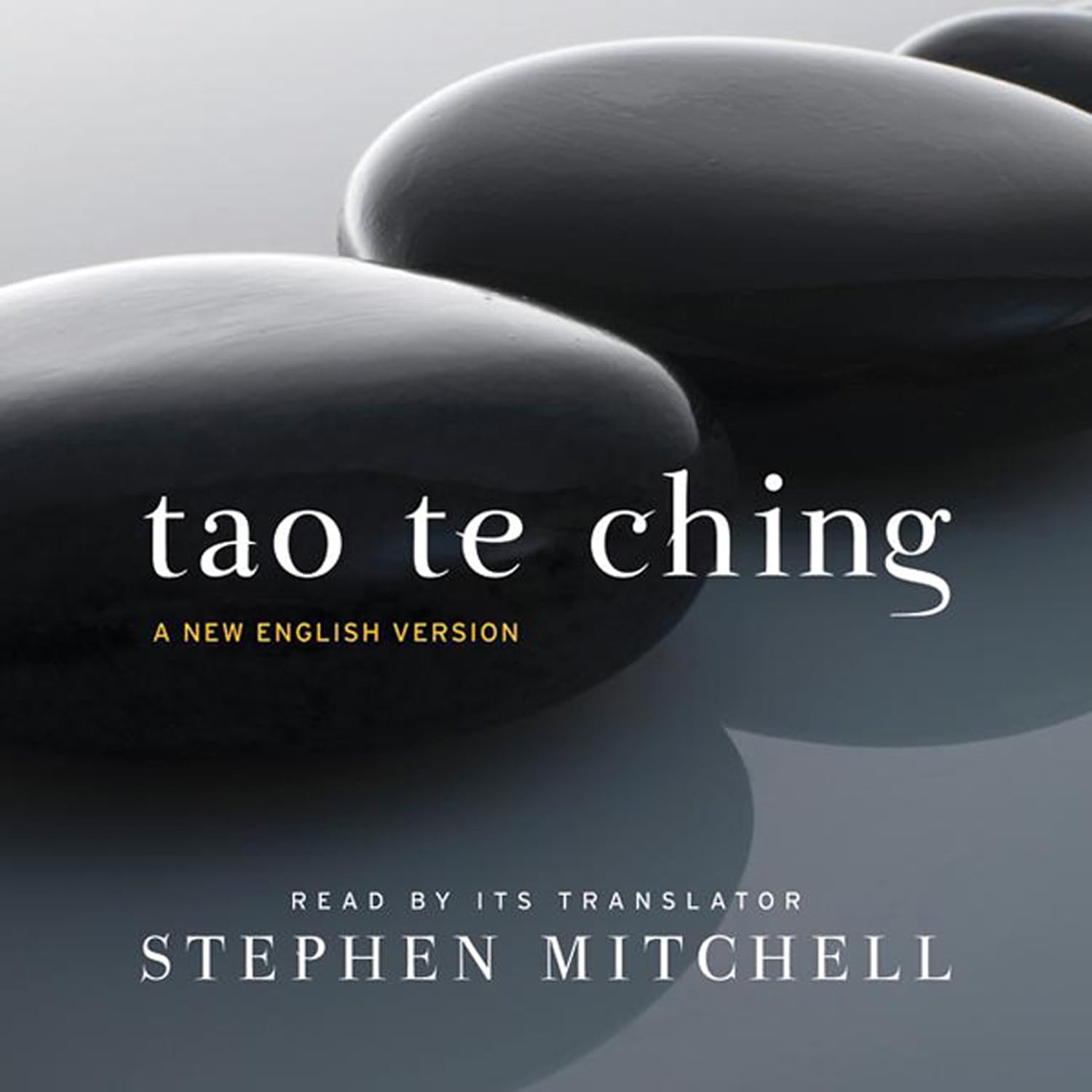
BOOK #1: Tao Te Ching: A New English Version
By: Lao Tzu (Stephen Mitchell translation) ⭐⭐⭐⭐⭐
Read More
The book that says the thing that can be named is not the thing. Lao Tzu wrote about emptiness as the source of usefulness. The space inside the bowl is what makes the bowl work. I have read this more times than I can count, and it hits differently now that I am trying to put language around something that resists it.
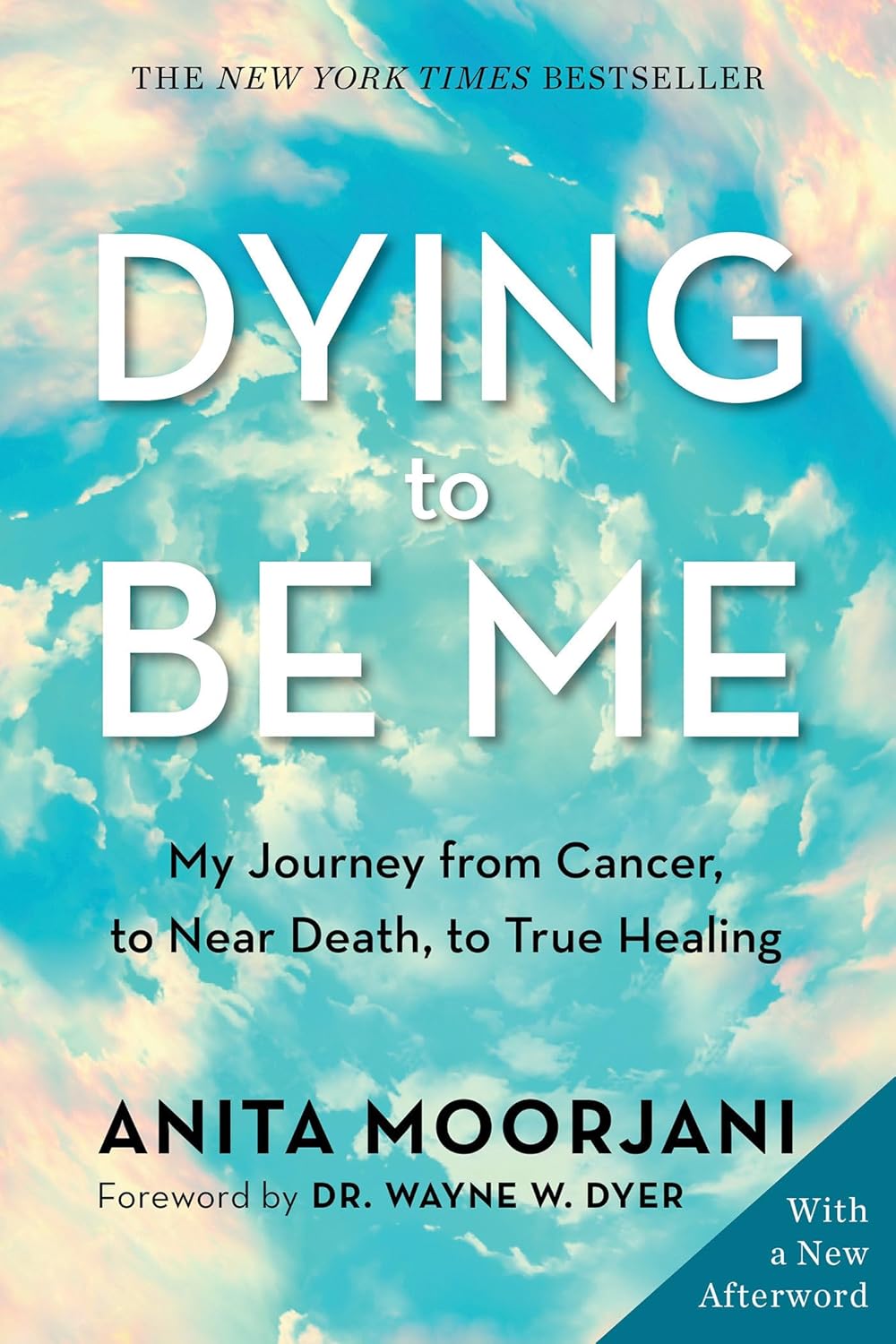
Moorjani was dying of cancer. She crossed over. And what she found on the other side was a version of herself that had been there before the fear and the conditioning. She came back and rebuilt her life from that discovery. Same question Jill Bolte Taylor stumbled into through a stroke. Different door.
I averaged 4 hours of sleep a night for a decade before retirement, and magnesium helped me rebuild the rhythm that makes early morning writing sessions possible.
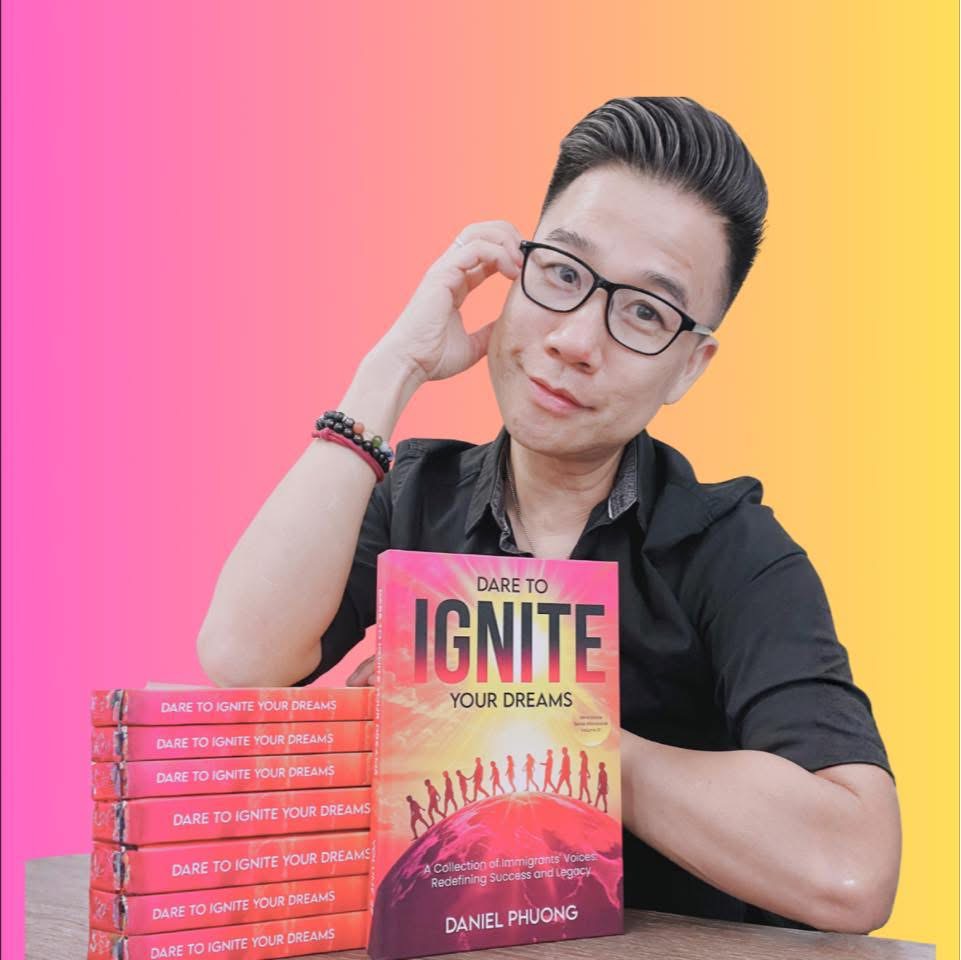
Daniel Phuong left Vietnam on a fishing boat.
He was a boy. The boat was fragile. And between the shore he left and the shore he was hoping to reach, there was water, fear, and the decision to keep breathing.
That moment on the water is where his story begins. A boy with open sea ahead of him and breath in his lungs. Present. Alive. Carrying something real that no document could capture and no resume could hold.
Today Daniel is a Freedom Coach with 141,000 TikTok followers, an Independent Associate with LegalShield helping people access affordable legal protection across North America, and a published author. His book, Dare to Ignite Your Dreams: Social Intercourse Volume 2F, traces the full arc from that boat to the life he built on the other side.
What I respect about Daniel is that he built forward from silence. He started with what he had and kept moving.
That is the same energy I am bringing to Zero. And it is available to anyone sitting on a story they have not started yet.
Website (LegalShield):
https://danielphuong.wearelegalshield.com/
LinkedIn:
https://www.linkedin.com/in/danielphuong
Next Friday I am back with another look inside the build. Monday the next chapter of Zero drops on LinkedIn. Chapter 4 is called Partners, and it goes somewhere I did not expect.
In next week's newsletter I am going deeper into Replit, showing you what the Zero landing page looks like right now, and walking you through what it means to build the platform and the book at the same time.
Plus I have been sitting with this idea of pre-story all week. And I have a feeling it is going to keep showing up.
If you are following this journey, you are watching a book get built in real time. And if you are ready to start building your own, the Memoirs to Millions community is where that work happens.
Share This Brief
Help others discover these tools by sharing on your favorite platform:
900+ books from my 1,000 Book Challenge. Searchable, filterable, and organized by category.
Find your next read from the collection that built this newsletter.